
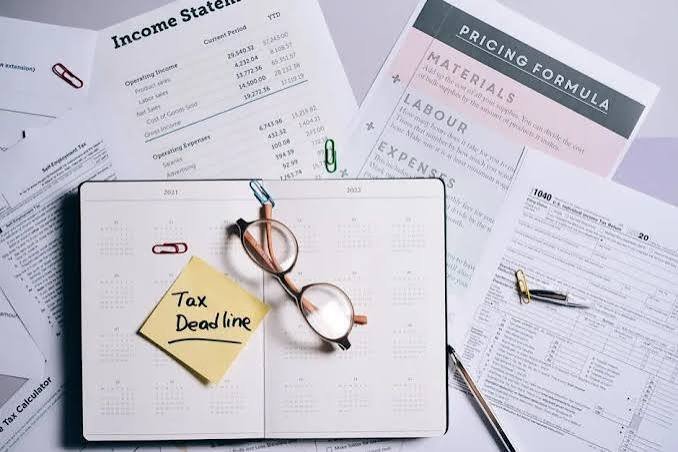
Year-end accounts are a legal and financial requirement for UK limited companies. Every private limited company must prepare annual accounts and file the required information with Companies House. The company will also normally need to prepare a Company Tax Return and calculate its Corporation Tax liability for HM Revenue and Customs (HMRC).
For a small limited company, the year-end process involves more than adding up sales and expenses. Directors need to make sure the bookkeeping is complete, bank accounts are reconciled, outstanding invoices and bills are accounted for, fixed assets are reviewed, payroll records agree with the accounts, director transactions are identified, VAT records are consistent and Corporation Tax calculations are based on accurate figures.
Companies House states that private companies normally have nine months from the end of their accounting reference period to file their annual accounts. Corporation Tax is generally due nine months and one day after the end of the company’s accounting period, while the Company Tax Return is normally due 12 months after the end of that accounting period.
A year-end checklist gives directors a structured way to complete these tasks before the filing deadline.
AccountancyNet Ltd is a UK-based accountancy practice based in Manchester and serving businesses across England and Wales. Its services include company accounts, tax returns, bookkeeping, payroll, VAT and wider business compliance. For businesses requiring support with statutory accounts, AccountancyNet provides Company Accounts services.
What Are Year-End Accounts?
Year-end accounts are financial statements prepared for a company’s financial year. They summarise the company’s financial performance and financial position at the end of the accounting period.
Statutory accounts generally include a balance sheet, profit and loss account and notes. Depending on the company’s size and circumstances, additional information such as a directors’ report or auditor’s report may be required.
Small companies and micro-entities may qualify for simplified reporting requirements. However, simplified accounts do not mean that directors can ignore the underlying accounting records.
The company still needs accurate financial records to calculate its profit or loss, determine its assets and liabilities, prepare the accounts and establish the Corporation Tax position.
The first step in a successful year-end process is therefore to make sure the accounting records are complete before the accountant starts preparing the statutory accounts.
Year-End Accounts Checklist for Small Limited Companies
1. Confirm the Company’s Accounting Period
Before preparing the accounts, confirm the company’s financial year-end and accounting reference date.
For an established private limited company, the financial year will normally be a 12-month period. Companies House uses the accounting reference date to determine the company’s filing deadline. A private company normally has nine months from the accounting reference date to deliver its annual accounts.
For example, if a company’s accounting reference date is 31 March, its annual accounts will normally need to reach Companies House by 31 December.
The first accounting period can be different. A newly incorporated company may have a first financial period longer than 12 months, and Corporation Tax accounting periods cannot exceed 12 months. This means a new company may need to deal with different accounts and Corporation Tax periods.
Before starting the year-end work, check:
- Company incorporation date
- Accounting reference date
- Financial year-end
- Corporation Tax accounting period
- Companies House filing deadline
- Corporation Tax payment deadline
- Company Tax Return filing deadline
Do not rely on an assumed 12-month period if the company has recently been incorporated, changed its accounting reference date or changed its trading status.
2. Reconcile All Business Bank Accounts
Bank reconciliation should be completed before the accounts are finalised.
The accounting records should agree with the company’s bank statements after accounting for legitimate timing differences.
Review every business bank account, including:
- Current accounts
- Savings accounts
- Deposit accounts
- Foreign currency accounts
- Payment accounts
- Business credit cards
- Online payment accounts where relevant
Compare the accounting software balance with the bank statement at the year-end date.
Investigate unreconciled transactions rather than carrying unexplained differences into the next accounting period.
Common reconciliation issues include: - Payments entered twice
- Missing sales receipts
- Unrecorded bank charges
- Transfers between accounts entered incorrectly
- Outstanding payments
- Unpresented cheques
- Personal transactions recorded incorrectly
- Incorrect opening balances
- Foreign currency differences
A bank reconciliation is one of the simplest ways to identify bookkeeping errors before the accounts are prepared.
3. Review Sales and Turnover
The company’s sales figure should be checked against invoices, till records, ecommerce platforms, payment processors and bank receipts where applicable.
The year-end review should confirm that revenue relating to the accounting period has been recorded in the correct period.
This is particularly important for businesses that issue invoices around the year-end.
For example, if a company completes work in March but invoices the customer in April, the correct accounting treatment may require the income to be considered in the March year-end accounts depending on the accounting circumstances.
Businesses using ecommerce platforms should also reconcile platform sales against settlement reports and bank receipts. The amount deposited into a bank account may not equal the gross sales figure because platforms can deduct:
- Transaction fees
- Commission
- Advertising charges
- Refunds
- Delivery charges
- Payment processing fees
- Other platform costs
Using only the bank deposits as turnover can result in incomplete accounting records.
A year-end sales review should therefore consider the company’s complete sales process rather than relying on one bank account.
4. Check Outstanding Customer Invoices
Review the company’s sales ledger and identify invoices that remain unpaid at the year-end.
The accounts should distinguish between:
- Invoices that are expected to be paid
- Invoices that are overdue
- Invoices that are disputed
- Invoices that may no longer be recoverable
Outstanding customer balances form part of the company’s trade receivables.
If there is evidence that a customer is unlikely to pay, the accounting treatment may need to reflect the expected recoverability of the debt.
Directors should provide their accountant with information about significant overdue invoices, disputed balances and customers experiencing financial difficulties.
This helps ensure that the year-end accounts present a realistic position.
5. Review Supplier Bills and Trade Creditors
The same process should be applied to unpaid supplier invoices.
A company may receive goods or services before the year-end but receive the invoice afterwards.
The accounting records should capture expenses relating to the correct accounting period where the relevant accounting principles require this.
Review:
- Supplier statements
- Unpaid invoices
- Recurring bills
- Credit notes
- Purchase orders
- Goods received before year-end
- Services received before year-end
- Expenses incurred but not yet invoiced
A company can overstate its profit if expenses belonging to the year are omitted simply because the invoice arrived after the year-end.
6. Check Accruals
Accruals are used where an expense relates to the accounting period but has not yet been invoiced or paid.
Common examples include:
- Professional fees
- Accountancy fees
- Legal fees
- Utilities
- Interest
- Insurance
- Rent
- Subcontractor costs
- Software subscriptions
For example, if a company receives professional services before its year-end but the supplier does not issue the invoice until the following month, an accrual may be required.
Accruals help match expenses to the period to which they relate.
The accountant will normally review the company’s previous-year accruals and determine which amounts should be released, renewed or adjusted.
7. Review Prepayments
Prepayments are the opposite issue.
A company may have paid an expense before the year-end that relates partly or entirely to a future accounting period.
Examples include:
- Annual insurance
- Software subscriptions
- Business licences
- Rent
- Service contracts
- Advertising packages
If a company pays £1,200 for a 12-month service covering the period from October to September and its year-end is 31 March, part of that payment relates to the following accounting period.
The appropriate amount may therefore need to be treated as a prepayment rather than an expense of the current year.
Reviewing prepayments prevents the company from overstating expenses in the wrong accounting period.
8. Check Stock and Inventory
Businesses that hold stock should complete an appropriate year-end inventory review.
This applies to:
- Retailers
- Ecommerce businesses
- Wholesalers
- Manufacturers
- Restaurants
- Product-based businesses
The stock records should be reviewed against the physical inventory where applicable.
Consider: - Quantity held
- Cost
- Damaged stock
- Obsolete stock
- Slow-moving products
- Stock received before year-end
- Goods sold but not yet dispatched
- Goods purchased but not yet received
Inventory valuation can have a direct effect on reported profit.
If stock is overstated, the company’s expenses may appear lower and profit may appear higher than it should be. If stock is understated, the opposite can occur.
Businesses with significant inventory should provide their accountant with detailed stock records and information about damaged or obsolete goods.
9. Review Fixed Assets
Check the company’s fixed asset register before the accounts are finalised.
Fixed assets can include:
- Computers
- Machinery
- Vehicles
- Office equipment
- Furniture
- Tools
- Commercial equipment
Review assets purchased during the year and identify assets that have been sold, disposed of or written off.
For each significant purchase, retain the relevant invoice and payment record.
The accounting treatment of an asset may differ from the tax treatment. Accounting depreciation and tax capital allowances are separate calculations.
A year-end accounts process should therefore identify all significant asset purchases so the accountant can determine the appropriate accounting and Corporation Tax treatment.
10. Check Depreciation
Depreciation represents the accounting allocation of the cost of certain fixed assets over their useful economic lives.
The calculation depends on the company’s accounting policies and the nature of the assets.
Review:
- Assets purchased during the year
- Assets disposed of during the year
- Existing depreciation rates
- Accumulated depreciation
- Assets that are fully depreciated
- Changes in accounting policies where applicable
Depreciation should not be confused with capital allowances.
Depreciation affects the company’s accounting profit, while capital allowances are generally used to calculate taxable profits for Corporation Tax.
The distinction should be maintained when preparing the year-end accounts and Corporation Tax computation.
11. Review Director’s Loan Account
The director’s loan account is an important year-end area for small companies.
Transactions between a company and its directors or shareholders should be reviewed carefully.
The account may include:
- Money the director puts into the company
- Money withdrawn by the director
- Personal expenses paid by the company
- Business expenses paid personally by the director
- Dividends recorded through the director’s account
- Amounts owed to the director
- Amounts owed by the director
A director’s loan account that is overdrawn can have Corporation Tax and personal tax implications depending on the circumstances.
Directors should provide the accountant with complete information about personal transactions involving company funds.
Do not assume that transferring money from a company bank account to a director automatically represents a dividend.
The correct treatment depends on the underlying transaction and available documentation.
12. Check Dividends
Review all dividends declared during the year.
The company should have sufficient distributable profits to support dividends.
Keep records of:
- Dividend dates
- Amounts
- Shareholders
- Dividend vouchers
- Board minutes or relevant resolutions
- Payments made
The accounting records should agree with the dividend documentation.
If dividends were entered incorrectly or recorded without sufficient profits, the accountant should be informed before the accounts are finalised.
Dividend payments should also be distinguished from salary, director loans and business expenses.
13. Review Payroll
Payroll should be reconciled to the accounting records.
Check:
- Gross wages
- Employee National Insurance
- PAYE
- Employer National Insurance
- Pension contributions
- Bonuses
- Benefits
- Directors’ remuneration
- Payroll liabilities
The payroll reports should agree with the amounts posted to the accounting system.
Unpaid payroll liabilities at the year-end should be correctly reflected in the balance sheet.
If the company has employees, the year-end accounts should also be supported by accurate payroll records.
AccountancyNet provides Payroll Services to help businesses manage recurring payroll calculations, reporting and related compliance.
14. Reconcile PAYE and National Insurance
Check the payroll liability balance against HMRC records.
Review:
- PAYE deducted
- Employee National Insurance
- Employer National Insurance
- Payments made to HMRC
- Outstanding amounts
- Overpayments
- Corrections
Differences between payroll records and HMRC balances should be investigated.
An unexplained PAYE balance can affect the accuracy of the year-end balance sheet.
15. Reconcile VAT
VAT-registered companies should reconcile their VAT records before the year-end accounts are completed.
Check:
- VAT returns submitted
- VAT payments made
- VAT refunds received
- VAT control account
- Outstanding VAT liabilities
- VAT on unpaid invoices where relevant
- VAT on purchases
The VAT control account should be reviewed for unusual or unexplained balances.
Businesses should also confirm that VAT treatment has been applied consistently to sales and purchases.
VAT errors discovered during year-end work should be investigated rather than automatically carried forward.
AccountancyNet supports businesses with VAT Filing and wider tax compliance requirements across England and Wales.
16. Review Business Expenses
Go through the profit and loss account and identify unusual or high-value expenses.
Check:
- Business travel
- Office costs
- Professional fees
- Advertising
- Software
- Telephone costs
- Insurance
- Rent
- Utilities
- Subcontractors
- Training
- Motor expenses
- Repairs
- Bank charges
- Interest
The purpose is not simply to reduce the tax bill. Every expense included in the accounts should be supported by appropriate evidence and have the correct accounting and tax treatment.
Personal expenditure should not be recorded as a business expense simply because the payment was made from the company bank account.
17. Check Business Mileage and Motor Costs
If directors or employees use vehicles for business purposes, review mileage and motor-related records.
Depending on the circumstances, records may need to distinguish:
- Business journeys
- Private journeys
- Mileage
- Fuel
- Repairs
- Insurance
- Vehicle finance
- Parking
- Other travel expenses
Keep supporting mileage records where required.
The correct tax treatment depends on the vehicle, ownership arrangement, employee or director status and nature of the expense.
18. Review Corporation Tax Adjustments
The accounting profit is not automatically the taxable profit for Corporation Tax.
The Corporation Tax computation may require adjustments for items such as:
- Depreciation
- Certain entertaining costs
- Non-deductible expenses
- Capital expenditure
- Capital allowances
- Disallowable costs
- Other tax adjustments
This is why directors should not calculate Corporation Tax simply by applying the Corporation Tax rate to the profit shown in the accounts.
The accounting profit is the starting point for the tax computation, but tax rules determine the final taxable profit.
19. Check Capital Expenditure
Review all significant purchases made during the financial year.
Identify:
- Equipment
- Machinery
- Vehicles
- Computers
- Fixtures
- Office equipment
- Other capital assets
The accountant can then determine whether expenditure should be capitalised and whether tax relief may be available through capital allowances or another relevant provision.
Keep invoices and purchase documentation for significant assets.
20. Review Loans and Finance
Check all business loans, hire purchase agreements and other finance arrangements.
Confirm:
- Outstanding balance
- Interest charged
- Repayments made
- Capital element
- Interest element
- Current liabilities
- Long-term liabilities
The year-end balance sheet should distinguish the relevant liabilities according to the applicable accounting requirements.
Provide the accountant with current loan statements and finance agreements where necessary.
21. Review Credit Cards
Business credit card balances should be reconciled at the year-end.
Review:
- Outstanding card balance
- Purchases
- Interest
- Fees
- Personal transactions
- Unreconciled items
A credit card payment from the bank account does not represent a new expense if the underlying credit card purchases have already been recorded.
This is a common bookkeeping issue that can result in expenses being duplicated.
22. Check Corporation Tax Payments
Review any Corporation Tax payments made during or after the accounting period.
Confirm:
- Payment date
- Amount paid
- Accounting period covered
- HMRC reference
- Outstanding balance
For most companies, Corporation Tax is due nine months and one day after the end of the accounting period. The Company Tax Return is generally due 12 months after the end of that accounting period.
The accounts preparation process should therefore distinguish between the accounting period, tax payment deadline and tax return filing deadline.
23. Review Accrued Corporation Tax
The year-end accounts may include a Corporation Tax liability based on the estimated tax payable for the accounting period.
This is separate from the amount already paid to HMRC.
The accountant will prepare or review the Corporation Tax computation and determine the appropriate liability.
If the company’s accounts are prepared before the Corporation Tax calculation is finalised, the figures may need to be updated before the accounts are approved.
24. Check Related Party Transactions
Small companies should identify transactions involving directors, shareholders and other related parties where disclosure or accounting treatment may be relevant.
Examples can include:
- Director loans
- Shareholder loans
- Transactions with connected companies
- Payments to related businesses
- Property rented from a director
- Company purchases from a shareholder-owned business
Provide complete details to the accountant.
Do not omit related transactions because they appear to be routine.
25. Review the Balance Sheet
The balance sheet provides a snapshot of the company’s financial position at the year-end.
Review:
- Bank balances
- Cash
- Trade debtors
- Stock
- Fixed assets
- Prepayments
- Creditors
- Accruals
- PAYE
- VAT
- Corporation Tax
- Loans
- Director’s loan account
- Share capital
- Reserves
Every balance should have a reasonable explanation.
If a balance has remained unchanged for several years without an obvious reason, investigate it.
A balance sheet review often identifies old bookkeeping errors that may not be obvious from the profit and loss account.
26. Review the Profit and Loss Account
The profit and loss account shows the company’s income and expenses for the accounting period.
Review major movements compared with:
- Previous year
- Budget
- Management accounts
- Monthly results
Look for significant changes in: - Turnover
- Gross profit
- Wages
- Rent
- Advertising
- Professional fees
- Motor costs
- Finance costs
- Other operating expenses
Large unexplained movements should be investigated.
A year-end review is an opportunity to identify accounting errors before the figures are used for tax and statutory reporting.
27. Check the Company’s Share Capital
Confirm that the share capital shown in the accounts agrees with the company’s statutory records.
Review:
- Number of shares
- Share classes
- Nominal value
- Shareholders
- Share issues
- Share transfers
If shares were issued during the year, make sure the appropriate corporate records and Companies House filings have been completed.
Share capital should not be changed in the accounting records without supporting documentation.
28. Check Companies House Information
Before filing accounts, directors should review the company’s information at Companies House.
Check:
- Registered office
- Directors
- Company status
- Share information
- Persons with significant control
- Filing history
If the public record is incorrect, the company may need to make appropriate updates.
Annual accounts are only one part of a limited company’s compliance responsibilities. Companies also have confirmation statement and other filing obligations depending on their circumstances.
29. Determine Whether the Company Is Small or a Micro-Entity
The reporting requirements depend partly on the company’s size.
Under current GOV.UK guidance, a company generally qualifies as small if it meets at least two of these conditions:
- Turnover of £15 million or less
- Balance sheet total of £7.5 million or less
- 50 employees or fewer
A micro-entity generally meets at least two of: - Turnover of £1 million or less
- Balance sheet total of £500,000 or less
- 10 employees or fewer. (GOV.UK)
These thresholds determine which reporting options may be available.
A company should not assume that it qualifies for simplified accounts solely because it has a small number of employees.
The relevant conditions need to be considered together.
30. Check Audit Requirements
Many small companies qualify for audit exemption, but directors should confirm that the company meets the relevant conditions.
An audit exemption does not mean the company can prepare incomplete accounts.
The accounts still need to comply with applicable accounting and company law requirements.
If the company is part of a group, has specific corporate circumstances or does not qualify for exemption, the requirements may differ.
Where there is uncertainty, obtain professional advice before relying on an audit exemption.
31. Prepare the Directors’ Information
The accountant may need information from the directors to complete the accounts.
Prepare:
- Details of significant changes during the year
- New loans
- Asset purchases
- Asset disposals
- Share issues
- Dividend information
- Director transactions
- Related party transactions
- Significant post-year-end events
- Legal disputes
- Major contracts
- Business acquisitions or disposals
Directors are responsible for approving the company’s accounts before filing.
Companies House guidance confirms that accounts must be approved by company directors before filing.
32. Review Events After the Year-End
Some events happen after the financial year ends but may still be relevant to the accounts.
Examples include:
- Major customer insolvency
- Significant legal claims
- Business sale
- Major asset disposal
- Significant financing
- Business closure
- Material changes in trading conditions
The accounting treatment depends on the circumstances and timing of the event.
Directors should inform their accountant about significant events that occur between the year-end and the date the accounts are approved.
33. Check Accounting Records Are Complete
Before sending records to the accountant, confirm that the bookkeeping file contains all relevant transactions.
The records should include:
- Sales invoices
- Purchase invoices
- Bank transactions
- Credit card transactions
- Payroll
- VAT
- Expenses
- Asset purchases
- Loan transactions
- Director transactions
- Dividends
- Stock information
- Relevant supporting documents
Incomplete records increase the time required to prepare the accounts and can result in avoidable questions or corrections.
34. Review Digital Bookkeeping
Businesses using accounting software should ensure the software records are complete and reconciled.
Check:
- Bank feeds
- VAT settings
- Nominal codes
- Customer balances
- Supplier balances
- Payroll journals
- Fixed assets
- Opening balances
- Suspense accounts
- Control accounts
A suspense account containing unexplained transactions should not simply be ignored at year-end.
Every material balance should have a clear explanation.
AccountancyNet also provides bookkeeping support for businesses that want their records maintained throughout the year rather than waiting until the annual accounts are due.
35. Check VAT and Accounts Agree
VAT returns and annual accounts should be broadly consistent with the company’s VAT records, taking into account timing and accounting adjustments.
For example, turnover reported in VAT returns should be reviewed against sales in the accounting system.
Differences may be legitimate because of:
- VAT-exempt sales
- Outside-scope transactions
- Timing differences
- Reverse charge transactions
- VAT scheme adjustments
- Credit notes
- Accounting basis
However, unexplained differences should be investigated.
36. Review Payroll and Accounts Together
Payroll is another area where year-end reconciliation is important.
The annual payroll figures should be compared with the wages and salary expenses recorded in the accounts.
Check:
- Total gross wages
- Employer National Insurance
- Pension costs
- PAYE liabilities
- Director salary
- Bonuses
- Benefits
Differences can arise from timing, but they should be explainable.
Businesses that outsource payroll should obtain the relevant annual payroll reports before the accounts are finalised.
37. Check Personal Expenses Paid by the Company
Small companies often have directors who use company funds for both business and personal transactions.
These transactions should be identified.
Examples include:
- Personal shopping
- Household bills
- Personal travel
- Private subscriptions
- Personal credit card payments
- Cash withdrawals
The correct treatment depends on the circumstances.
Do not simply classify personal spending as miscellaneous business expenses.
An accurate director’s loan account may be required instead.
38. Prepare the Information Pack for the Accountant
A complete year-end information pack can make the accounts process significantly faster.
A typical pack should include:
- Bank statements
- Bank reconciliation
- Credit card statements
- Sales ledger
- Purchase ledger
- Stock report
- Fixed asset information
- Loan statements
- Payroll reports
- Pension reports
- VAT returns
- PAYE information
- Director loan information
- Dividend records
- Expense records
- Details of unusual transactions
- Details of major events
If the accounting software is already up to date, the accountant may only require supporting documents and answers to year-end queries.
39. Check the Filing Deadlines
The standard deadlines should be recorded before the accounts process begins.
For most established private companies:
- Companies House accounts: nine months after the financial year-end
- Corporation Tax payment: nine months and one day after the end of the Corporation Tax accounting period
- Company Tax Return: 12 months after the end of the Corporation Tax accounting period.
These deadlines can differ for a company’s first accounting period or where the accounting reference date has been changed.
Late filing can result in penalties.
For private companies, Companies House currently applies penalties ranging from £150 for accounts filed up to one month late to £1,500 where accounts are more than six months late. The penalty is doubled if accounts are late for two consecutive years.
Do not wait until the deadline month to begin preparing the accounts.
40. Allow Time for Questions and Corrections
The year-end accounts process often involves questions from the accountant.
Examples include:
- What was this payment for?
- Is this invoice still recoverable?
- Was this asset purchased for business use?
- Was this payment personal?
- Why has this balance remained outstanding?
- Was this dividend formally declared?
- Is this loan still outstanding?
- Has this supplier invoice been received?
Responding quickly allows the accounts to be completed without unnecessary delays.
Directors should also allow time to review draft accounts before approval.
41. Review the Draft Accounts
Once the accountant prepares draft accounts, directors should review the figures.
Focus on:
- Turnover
- Gross profit
- Net profit
- Corporation Tax
- Cash
- Debtors
- Creditors
- Loans
- Director’s loan account
- Dividends
- Share capital
Ask questions about anything that appears inconsistent with the company’s records.
The accounts should accurately represent the company’s financial position before they are approved and filed.
42. Approve the Accounts
The company’s directors are responsible for approving the annual accounts.
Companies House guidance confirms that accounts must be approved by the directors before filing.
The balance sheet must also contain the required director information and signature or electronic equivalent as applicable to the filing method and account type.
Approval should take place only after the directors have reviewed the accounts and are satisfied that they are ready for filing.
43. File the Accounts With Companies House
Once approved, the accounts can be filed using an appropriate filing method.
Companies House states that all companies must file annual accounts, including dormant companies, subject to specific exemptions such as certain dormant subsidiaries.
Small and micro-entity companies may have reduced filing requirements.
The exact accounts submitted depend on the company’s size, accounting framework and circumstances.
Do not assume that the accounts prepared for the company’s members and the accounts filed publicly must contain identical information. Certain small-company filing options allow less information to be submitted to Companies House.
44. File the Company Tax Return
The Company Tax Return is submitted to HMRC and normally includes the company’s statutory accounts and Corporation Tax computation.
The filing deadline is generally 12 months after the end of the accounting period for Corporation Tax.
The Corporation Tax payment deadline is earlier, normally nine months and one day after the end of the accounting period.
This creates two separate deadlines:
- Corporation Tax payment deadline
- Company Tax Return filing deadline
Directors should not confuse the two.
A company can therefore have paid its Corporation Tax and still have an outstanding Company Tax Return.
45. Pay Corporation Tax
Corporation Tax should be paid by the relevant deadline.
For most small companies, the standard payment deadline is nine months and one day after the end of the Corporation Tax accounting period.
The amount payable should be based on the company’s final Corporation Tax computation.
Directors should plan for the tax liability throughout the year rather than waiting until the payment deadline.
Monthly management accounts and cash-flow forecasting can help businesses estimate their future Corporation Tax position.
Year-End Accounts Checklist at a Glance
Before approving and filing the accounts, a small limited company should confirm:
- Accounting period confirmed
- Companies House deadline confirmed
- Corporation Tax deadline confirmed
- Bank accounts reconciled
- Credit cards reconciled
- Sales records complete
- Customer balances reviewed
- Supplier balances reviewed
- Accruals reviewed
- Prepayments reviewed
- Stock counted and reviewed
- Fixed assets checked
- Depreciation reviewed
- Loans reconciled
- Director’s loan account reconciled
- Dividends checked
- Payroll reconciled
- PAYE reconciled
- Pension records reviewed
- VAT reconciled
- Expenses reviewed
- Capital expenditure identified
- Corporation Tax adjustments considered
- Related party transactions disclosed
- Share capital checked
- Companies House information reviewed
- Audit requirements checked
- Post-year-end events considered
- Supporting documents provided
- Draft accounts reviewed
- Accounts approved by directors
- Companies House filing completed
- Corporation Tax paid
- Company Tax Return filed
Common Year-End Accounts Mistakes
Leaving Bookkeeping Until the Deadline
Waiting until the filing deadline approaches increases the risk of missing transactions and unresolved discrepancies.
Year-end accounts are easier when bookkeeping is maintained monthly.
Treating Bank Balance as Profit
Cash in the bank is not the same as accounting profit.
The bank balance can include:
- Loans
- VAT
- PAYE liabilities
- Corporation Tax reserves
- Director funds
- Unpaid supplier balances
Profit must be calculated using the appropriate accounting principles rather than simply looking at cash available.
Recording All Purchases as Expenses
Some purchases are capital items rather than ordinary revenue expenses.
The accountant should review significant purchases to determine the appropriate accounting and tax treatment.
Ignoring Old Debtors
An outstanding invoice is not automatically recoverable simply because it remains in the sales ledger.
Old and disputed balances should be reviewed.
Forgetting Director Transactions
Director transactions are common in small companies and should be reconciled before the accounts are prepared.
Mixing Personal and Business Spending
Personal transactions through the company account can complicate the accounts and director’s loan account.
Use clear records and separate business and personal spending wherever possible.
Filing at the Last Minute
Late filing penalties can apply automatically. Companies House advises filing well before the deadline because rejected accounts after the deadline can still result in a late filing penalty.
How to Make Year-End Accounts Easier
The best way to simplify year-end accounts is to complete the work throughout the year.
A small company should:
- Reconcile bank accounts monthly
- Keep purchase invoices organised
- Issue sales invoices promptly
- Chase overdue debts
- Reconcile VAT
- Reconcile payroll
- Record director transactions correctly
- Maintain a fixed asset register
- Keep loan statements
- Review profit monthly
- Keep digital records up to date
This reduces the amount of work required at year-end.
Monthly bookkeeping also gives directors more current financial information for decision-making.
Why Small Limited Companies Use an Accountant for Year-End Accounts
Preparing year-end accounts requires an understanding of accounting records, company law, tax treatment and filing requirements.
An accountant can help:
- Review bookkeeping
- Prepare statutory accounts
- Calculate Corporation Tax
- Identify accounting adjustments
- Review director’s loan accounts
- Check VAT and payroll balances
- Prepare the Company Tax Return
- File accounts with Companies House
- Identify compliance issues
Professional support can also give directors a second review of transactions that may otherwise be overlooked.
AccountancyNet Ltd provides accounting and compliance services to businesses across England and Wales. Its company accounts service includes preparation of year-end accounts and tax calculations, with Companies House and HMRC filing support.
How AccountancyNet Ltd Supports Small Companies
AccountancyNet Ltd is a Manchester-based accountancy practice serving businesses across England and Wales.
Its services include:
- Accounts preparation
- Corporation Tax support
- Tax returns
- Payroll services
- Self Assessment
- VAT filing
- Bookkeeping
- Making Tax Digital compliance
For small limited companies, year-end accounts can be combined with wider bookkeeping, payroll and VAT support.
AccountancyNet’s approach is designed to help businesses maintain their accounting records throughout the year rather than treating accounts preparation as a once-a-year exercise.
Businesses can also use the firm’s wider accounting support to review their financial records, identify year-end adjustments and prepare information for statutory filing.
Frequently Asked Questions
What are year-end accounts for a small limited company?
Year-end accounts summarise a company’s financial performance and financial position for its financial year. They are used for statutory reporting and form part of the information needed for the company’s Corporation Tax return.
When are limited company accounts due?
An established private company normally has nine months from the end of its accounting reference period to file annual accounts with Companies House. First accounts can have different deadlines.
When is Corporation Tax due?
Corporation Tax is normally due nine months and one day after the end of the company’s Corporation Tax accounting period.
When is the Company Tax Return due?
The Company Tax Return is normally due 12 months after the end of the Corporation Tax accounting period.
Do small companies need an audit?
Many small companies qualify for audit exemption, but eligibility depends on the company’s circumstances and applicable rules. Directors should confirm that the company meets the relevant requirements.
Can a small company file simpler accounts?
Yes. Depending on size and circumstances, a small or micro-entity company may qualify for simplified accounts and reduced information on the public record.
What records should I give my accountant?
Provide bank statements, accounting records, sales and purchase information, payroll reports, VAT records, loan statements, stock information, fixed asset details, dividend records and details of director or related-party transactions.
What happens if accounts are filed late?
Companies House can impose late filing penalties. For private companies, the current penalty starts at £150 for accounts filed up to one month late and can rise to £1,500 when accounts are more than six months late.
Do dormant limited companies need accounts?
Generally, companies must file annual accounts even when dormant, although specific exemptions can apply to certain dormant subsidiaries.
Final Year-End Accounts Checklist
A small limited company’s year-end accounts process should follow a consistent sequence:
- Confirm the accounting period and deadlines.
- Complete all bookkeeping.
- Reconcile business bank accounts.
- Reconcile credit cards.
- Review sales and customer balances.
- Review suppliers and unpaid bills.
- Calculate accruals and prepayments.
- Check stock.
- Review fixed assets and capital expenditure.
- Reconcile loans.
- Reconcile the director’s loan account.
- Check dividends.
- Reconcile payroll and PAYE.
- Reconcile pension records.
- Reconcile VAT.
- Review expenses.
- Identify tax adjustments.
- Review related-party transactions.
- Check share capital.
- Review Companies House information.
- Confirm audit requirements.
- Provide supporting documents to the accountant.
- Review draft accounts.
- Approve the accounts.
- File accounts with Companies House.
- Pay Corporation Tax.
- File the Company Tax Return.
The GOV.UK guidance on limited company accounts and tax returns provides the official deadlines and filing requirements for private limited companies.
Conclusion
Year-end accounts are a core compliance responsibility for every small limited company. The process should begin with accurate bookkeeping and end with approved statutory accounts, Corporation Tax reporting and the required Companies House filing.
The most important areas to check are bank reconciliations, sales, purchases, debtors, creditors, accruals, prepayments, stock, fixed assets, loans, director transactions, dividends, payroll, VAT and Corporation Tax.
Directors should also confirm the company’s size classification, audit position and filing deadlines before approving the accounts.
For most established private companies, the Companies House filing deadline is nine months after the financial year-end, while Corporation Tax is generally payable nine months and one day after the end of the Corporation Tax accounting period. The Company Tax Return is normally due within 12 months.
Starting the year-end process early gives directors time to resolve bookkeeping errors, locate missing documents and answer accounting queries before statutory deadlines arrive.
AccountancyNet Ltd supports small businesses across England and Wales with company accounts, tax, bookkeeping, payroll and VAT services. Its Manchester-based team can help businesses prepare accurate year-end accounts, calculate Corporation Tax and complete the required filings.
For businesses approaching their financial year-end, preparing the checklist early can reduce administrative delays and give directors a clearer view of the company’s financial position before the next financial year begins.